 ChefPit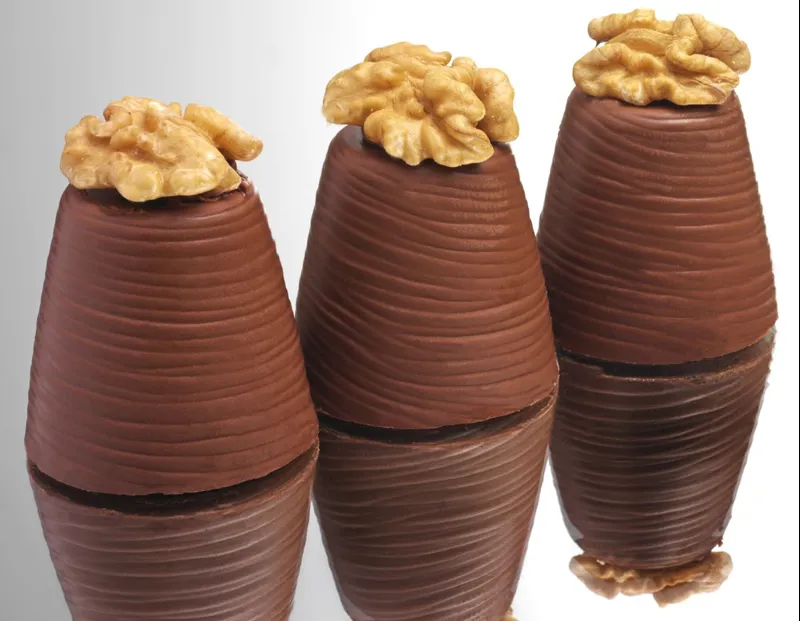

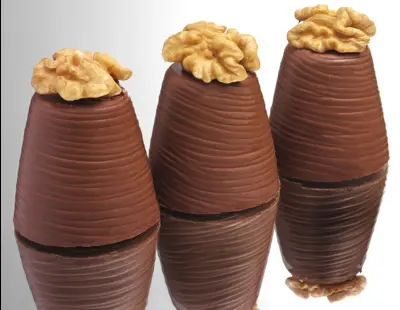
The Walnut Whip occupies a peculiar place in British confectionery culture - part beloved childhood memory, part polarizing oddity that makes people question their taste buds.
Created by Duncan's of Edinburgh in 1910, it's essentially a chocolate cone filled with marshmallow and topped with half a walnut. Sounds simple enough, but mention Walnut Whips to a group of Brits and watch the room divide. Some people have fond memories of these treats from corner shops and school trips, while others struggle to understand why anyone would add walnuts to a childhood treat.
The distinctive cone shape and retro packaging have made it an icon of British sweets, though whether that's a good thing depends entirely on your stance toward walnuts in chocolate.
Typical Ingredients
Milk chocolate
Good quality, for tempering and molding

Marshmallow
Homemade or store-bought fluff
Walnut halves
Fresh, not stale or rancid
Gelatin
If making marshmallow from scratch

Sugar
For the marshmallow base
Corn syrup
Helps with marshmallow texture

Vanilla extract
A touch for flavor depth

Water
For dissolving gelatin
Egg whites
If making traditional marshmallow
Cream of tartar
Stabilizes the egg whites
What Makes This Dish Good?
When done correctly, a Walnut Whip offers an interesting interplay of textures and flavors. The chocolate provides richness and structure, the marshmallow adds sweetness and a cloud-like texture, and the walnut contributes a slightly bitter, nutty crunch that cuts through all that sweetness.
The cone shape is actually quite clever, as it gives you different ratios of ingredients as you eat it, with more marshmallow at the wide end and more chocolate toward the point. For those who grew up with them, there's also a strong nostalgia factor that makes them taste like childhood, corner shops, and simpler times.
Common Substitutions

Dark chocolate instead of milk chocolate
For those who prefer less sweetness, though it changes the character significantly
Pecans or hazelnuts instead of walnuts
Some people find these less bitter than walnuts
Store-bought marshmallow fluff
Much easier than making from scratch, though the texture differs slightly
Agar instead of gelatin
For vegetarian versions, use about half the amount

Coconut oil in chocolate
Can help with tempering if you're struggling with traditional methods
Mini chocolate chips
Some recipes add these to the marshmallow for extra texture
White chocolate
Creates a completely different visual and flavor profile
History and Origin
Duncan's of Edinburgh created the Walnut Whip in 1910, though the exact circumstances of its invention remain a bit murky. The company was already established as a confectioner, and the Walnut Whip became one of their most successful products. The timing makes sense - this was an era when elaborate molded chocolates were popular, and the cone shape would have been considered quite innovative.
The treat survived both world wars, rationing, and changing tastes, which says something about its appeal (or at least its staying power). Duncan's was eventually bought by Rowntree, which Nestlé later acquired. Through all these ownership changes, the basic recipe and distinctive shape remained largely unchanged.
What's interesting is how the Walnut Whip became so specifically British despite being made by what's now a multinational corporation. It never really caught on elsewhere, perhaps because the flavor combination seems particularly suited to British tastes. The packaging and marketing leaned heavily into nostalgia and tradition, which helped cement its place in the national confectionery consciousness. The cone shape was supposedly inspired by ice cream cones, which were becoming popular around the same time. Whether this is true is unclear, but it created something genuinely distinctive in the world of chocolate confections.
Best Served With / Pairing Suggestions

Strong black tea
The traditional British approach, cuts through the sweetness

Coffee
Espresso or strong brew complements the chocolate and walnut

Port wine
For an indulgent dessert pairing

A glass of cold milk
The classic childhood combination
Did You Know?
Controversies
The walnut debate
Texture issues
Store-bought vs. homemade
Regional variations
The cone vs. filling ratio
Tips and Hints
Temperature control is everything
Make extra cones
Room temperature walnuts
Fill from the bottom
Chill between stages
Test your marshmallow
Quality walnuts matter
Common Mistakes
Rushing the chocolate tempering
Overfilling the cones
Using damp equipment
Wrong marshmallow consistency
Ignoring the cone angle
Storing incorrectly
Skipping the chilling steps
FAQs
The Walnut Whip occupies a peculiar place in British confectionery culture - part beloved childhood memory, part polarizing oddity that makes people question their taste buds.
Created by Duncan's of Edinburgh in 1910, it's essentially a chocolate cone filled with marshmallow and topped with half a walnut. Sounds simple enough, but mention Walnut Whips to a group of Brits and watch the room divide. Some people have fond memories of these treats from corner shops and school trips, while others struggle to understand why anyone would add walnuts to a childhood treat.
The distinctive cone shape and retro packaging have made it an icon of British sweets, though whether that's a good thing depends entirely on your stance toward walnuts in chocolate.
Typical Ingredients
Milk chocolate
Good quality, for tempering and molding
Marshmallow
Homemade or store-bought fluff
Walnut halves
Fresh, not stale or rancid
Gelatin
If making marshmallow from scratch
Sugar
For the marshmallow base
Corn syrup
Helps with marshmallow texture
Vanilla extract
A touch for flavor depth
Water
For dissolving gelatin
Egg whites
If making traditional marshmallow
Cream of tartar
Stabilizes the egg whites
Gallery
What Makes This Dish Good?
When done correctly, a Walnut Whip offers an interesting interplay of textures and flavors. The chocolate provides richness and structure, the marshmallow adds sweetness and a cloud-like texture, and the walnut contributes a slightly bitter, nutty crunch that cuts through all that sweetness.
The cone shape is actually quite clever, as it gives you different ratios of ingredients as you eat it, with more marshmallow at the wide end and more chocolate toward the point. For those who grew up with them, there's also a strong nostalgia factor that makes them taste like childhood, corner shops, and simpler times.
Common Substitutions
Dark chocolate instead of milk chocolate
For those who prefer less sweetness, though it changes the character significantly
Pecans or hazelnuts instead of walnuts
Some people find these less bitter than walnuts
Store-bought marshmallow fluff
Much easier than making from scratch, though the texture differs slightly
Agar instead of gelatin
For vegetarian versions, use about half the amount
Coconut oil in chocolate
Can help with tempering if you're struggling with traditional methods
Mini chocolate chips
Some recipes add these to the marshmallow for extra texture
White chocolate
Creates a completely different visual and flavor profile
History and Origin
Duncan's of Edinburgh created the Walnut Whip in 1910, though the exact circumstances of its invention remain a bit murky. The company was already established as a confectioner, and the Walnut Whip became one of their most successful products. The timing makes sense - this was an era when elaborate molded chocolates were popular, and the cone shape would have been considered quite innovative.
The treat survived both world wars, rationing, and changing tastes, which says something about its appeal (or at least its staying power). Duncan's was eventually bought by Rowntree, which Nestlé later acquired. Through all these ownership changes, the basic recipe and distinctive shape remained largely unchanged.
What's interesting is how the Walnut Whip became so specifically British despite being made by what's now a multinational corporation. It never really caught on elsewhere, perhaps because the flavor combination seems particularly suited to British tastes. The packaging and marketing leaned heavily into nostalgia and tradition, which helped cement its place in the national confectionery consciousness. The cone shape was supposedly inspired by ice cream cones, which were becoming popular around the same time. Whether this is true is unclear, but it created something genuinely distinctive in the world of chocolate confections.
Best Served With / Pairing Suggestions
Strong black tea
The traditional British approach, cuts through the sweetness
Coffee
Espresso or strong brew complements the chocolate and walnut
Port wine
For an indulgent dessert pairing
A glass of cold milk
The classic childhood combination
Did You Know?
Controversies
The walnut debate
Texture issues
Store-bought vs. homemade
Regional variations
The cone vs. filling ratio
Tips and Hints
Temperature control is everything
Make extra cones
Room temperature walnuts
Fill from the bottom
Chill between stages
Test your marshmallow
Quality walnuts matter
Common Mistakes
Rushing the chocolate tempering
Overfilling the cones
Using damp equipment
Wrong marshmallow consistency
Ignoring the cone angle
Storing incorrectly
Skipping the chilling steps
FAQs
Track your cooking
Click to record when you've made this dish
Add to your collection
Create your own curated collections of favorite dishes to share with the community.
This dish hasn't been added to any collections yet.
Join the conversation!
Sign in to share your thoughts and connect with fellow food enthusiasts
No comments yet
Be the first to share your thoughts about this dish!